 List
List
1.What is Portable Toilet & Booth?
A
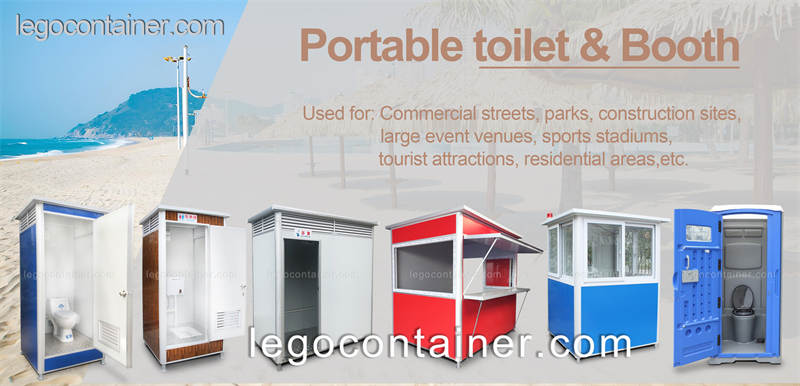
portable toilet is an independent, movable device designed to provide temporary toilet facilities in places where traditional toilets are unavailable or impractical. Portable toilets are commonly used on construction sites, outdoor activities, festivals, parks, disaster relief areas, and other places that require temporary sanitation. They are typically composed of durable and lightweight structures made of materials such as plastic or fiberglass, including a toilet seat, a waste collection canister, and additional features such as hand sanitizer, toilet paper dispensers, and ventilation devices.
A
portable booth refers to a modular and easily transportable structure used for various temporary purposes such as ticketing, security, information, or retail. The size and design of portable booths vary, and some booths are also equipped with air conditioning, lighting, and windows for convenient use. They often appear in events, markets, parking lots, and construction sites, or are used as guardrails and kiosks.
2.Portable Toilet & Booth Structure
3.What Affects The Portable Toilet & Booth Price?
Material quality
Portable toilet: High quality and durable materials such as reinforced plastic or fiberglass may be more expensive, but have a longer lifespan and stronger wear resistance.
Portable booth: More sturdy materials such as steel or insulation panels increase durability and weather resistance, raising prices.
Size and Capacity
Units with larger capacity, such as multi compartment toilets or spacious compartments, are usually more expensive than compact ones.
Functions and Additional Components
Toilets: Additional facilities such as washbasins, flushing devices, odor prevention systems, or wheelchair accessible facilities will increase costs.
Booth: Additional features such as air conditioning, electrical wiring, shelves, or windows will increase the price.
Customization
Compared to standard models, customized brands, unique designs, or tailored interiors (such as luxury toilets or safety kiosks) will increase costs.
Mobile options
Equipping wheels or devices designed for easier transportation may incur a premium.
Purpose of use
Short term basic models (such as activities) are cheaper than heavy-duty long-term models designed for buildings or industrial sites.
Leasing and Purchasing
Rent: The cost varies depending on the lease term, transportation expenses, and service requirements.
Purchase: The initial cost depends on the durability, functionality, and market demand of the equipment.
Maintenance and Service
Toilets that require regular cleaning and waste removal services may incur additional recurring costs.
A booth with comprehensive public facilities such as electrical or piping systems may incur higher operating costs.
Location and Transportation
If long-distance transportation is necessary, especially to remote or difficult to reach areas, the co
Brands with good reputation and suppliers with a track record of high-quality products may charge higher prices than less mature competitors.
Market conditions
Seasonal demand (such as holidays or building booms) or fluctuations in raw material prices can affect pricing.
4.How to Produce the Portable Toilet & Booth?
5.How to package and loading the Portable Toilet & Booth?
6.How to install the Portable Toilet & Booth?
7.What's the life span of the Portable Toilet & Booth?
Mobile toilet
Lifespan: With appropriate care, the average is 7-10 years.
Factors affecting lifespan:
Material quality: Units made of durable materials such as high-density polyethylene (HDPE) or fiberglass have a longer service life due to their weather resistance, chemical resistance, and wear resistance.
Frequency of use: Toilets that are frequently used, such as on busy construction sites, may wear out faster than those that are occasionally used.
Maintenance: Regular cleaning, removal of waste, and timely repair can significantly extend the service life.
Environmental conditions: Extreme weather, UV exposure, or severe impact can shorten the lifespan of equipment.
Portable booth
Service life: 10-15 years or longer, depending on usage and materials.
Factors affecting lifespan:
Material strength: Exhibits made of insulated steel plates or high-quality composite materials have a longer lifespan than those with lightweight structures.
Usage type: Exhibits used in harsh industrial environments may wear out faster than those used as security checkpoints or ticket booths.
Maintenance and repair: Regular maintenance, such as painting, replacing worn parts (such as hinges or locks), and inspecting electrical systems, can greatly improve durability.
Weather protection: Equipment exposed to adverse weather conditions (rain, snow, or extreme heat) without proper protection may degrade faster.
8.Portable Toilet & Booth design.
9.Portable Toilet & Booth applications.
Portable toilet application
Construction site
Provide sanitation facilities for on-site workers.
Outdoor activities
Festivals, concerts, markets, marathons, and sports events require temporary toilet facilities for large crowds.
Disaster relief
Used for emergency or disaster areas where infrastructure is damaged or unavailable.
Camping and outdoor entertainment
Parks, campsites, and hiking trails often use portable toilets for convenience and environmental protection.
Agricultural sites
Farms and remote agricultural enterprises use them to support workers in the fields.
Military action
Deploy in soldier camps and bases during field operations.
Remote work location
Due to limited access to permanent facilities, portable toilets are used in mines, oil drilling platforms, and other isolated workplaces.
Residential use
Temporary facilities during home decoration, weddings, parties, and other events.
Portable booth application
Security
Guard rooms or checkpoints in residential areas, construction sites, industrial facilities, and parking lots.
Ticketing and Information
Used for ticket sales or providing tourist information for events, amusement parks, and transportation hubs.
Retail and food kiosks
A temporary or pop-up booth that sells goods, food, or beverages at a marketplace, market, or festival.
Emergency response
Temporary shelters for emergency response personnel or mobile command centers in disaster areas.
Event Management
Registration points, VIP areas, or administrative offices for large-scale events.
Construction site office
A portable booth can serve as a manager's on-site office or a storage location for documents and equipment.
Voting station
Set up temporary polling stations during the election period.
Studio and studio
Small portable exhibition booths can serve as art studios, repair workshops, or craft stations.
Advertising or promotion
Used as a pop-up window for brand information kiosks or marketing activities.
Public service
Mobile health clinics, vaccination kiosks, or consultation centers in underserved areas.
10.How much is a Portable Toilet & Booth?
The cost of portable toilets and compartments varies depending on factors such as type, characteristics, size, materials, and region
additional costs
Transportation and delivery: The cost depends on the location and distance.
Maintenance and service: The regular cleaning and waste management fees for the toilets visited during each service visit range from $50 to $200.
Customization: Customizing a brand, special materials, or additional features will increase the price.


